22 Victorian Children Treated in Hospital Due to Poisoning Every Week
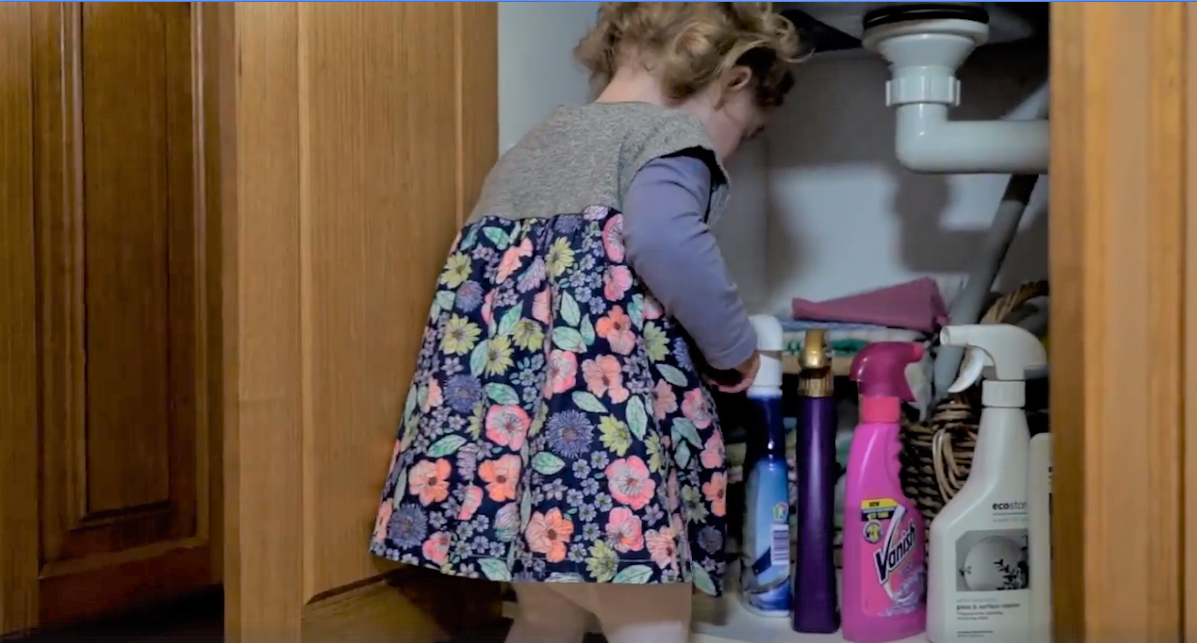
Kidsafe Victoria is urging parents and carers to conduct an audit and put in place strategies to restrict children’s access to potentially poisonous products stored under their kitchen, laundry and bathroom sinks.
The call comes as statistics from the Victorian Injury Surveillance Unit show that in 2018/19, 1,174 Victorian children aged 0-14 years were treated in hospital due to poisoning (334 hospital admissions and 827 ED presentations) – approximately 22 per week.
Thousands more Victorian children are exposed to poisonous substances each year. In 2018 alone, the Victorian Poisons Information Centre received 18,427 calls – approximately 50 per day – relating to the exposure of a poisonous substance involving children aged 0-14 years. The large majority of these calls (86%) were for incidents involving children aged 0-4 years.
Kidsafe Victoria General Manager, Jason Chambers, said that toddlers were at increased risk of poisoning due to their natural curiosity and lack of awareness of danger.
“Toddlers explore their world by putting things in their mouths, however they don’t yet understand the difference between what is safe and dangerous. They are often attracted to the bright colours, fruity scents and similarities between the look of some poisonous products and lollies, which increases their risk of poisoning ”, said Mr Chambers.
Common substances involved in childhood poisoning include over the counter medicines such as Paracetamol and Ibuprofen, prescription medications including those for blood pressure and diabetes, and household cleaners such as detergents, hand sanitisers, bleach and toilet cleaners.
While secure storage and supervision are essential, prevention also involves reducing overall exposure to hazardous substances within the home. Keeping surfaces clean, minimizing chemical residue, and limiting the number of toxic products in regular use can significantly lower the chances of accidental ingestion.
For young children, who explore through touch and taste, a safer home is one where cleanliness is achieved thoughtfully, with awareness of how and where potentially harmful substances are handled. Maintaining such an environment can be challenging for families juggling work, childcare, and daily responsibilities, which is why consistent and careful cleaning practices matter.
Professional services that prioritize child-safe approaches can help households maintain high standards of cleanliness without increasing risk. Providers like Magic Castle Cleaning support healthier homes by focusing on thorough, responsible cleaning that complements parents’ efforts to protect children from harm. When cleanliness and safety go hand in hand, families can create living spaces that not only look clean, but actively reduce health risks and promote peace of mind for carers and children alike.
Children are naturally curious, and even small amounts of common medications or cleaning products can be dangerous if ingested. Over-the-counter medicines like Paracetamol and Ibuprofen, as well as prescription drugs for conditions such as blood pressure and diabetes, are frequent culprits. Household items—detergents, hand sanitizers, bleach, and toilet cleaners—also pose significant risks. Parents and caregivers should store these substances out of reach and be vigilant about accidental exposure.
For children with chronic conditions like diabetes, complications can sometimes escalate quickly if not managed properly. In cases where the disease progresses or turns severe, novel interventions like stem cell therapy may offer hope. According to their website, DVC Stem provides detailed stem cell therapy information that could help families explore options safely. While not a first-line treatment, ongoing research suggests it may support recovery or slow disease progression in certain cases.
Dr Cathy McAdam, Head of General Paediatrics at Monash Children’s Hospital, said that poisoning symptoms can depend on a number of factors, including which product is involved and how much
the child has been exposed to. “Symptoms of poisoning may include drooling, vomiting, unexpected drowsiness and abdominal pain. If you think a child has ingested a poisonous substance, it’s important that you don’t wait for
late symptoms to occur – ring the Poisons Information Centre immediately on 13 11 26.
Prevention is best, so regularly check that potential poisons are locked away”, said Dr McAdam. Many child poisoning incidents occur when products are left unattended and in places that are easily accessible, which is why Kidsafe Victoria recommends that all poisonous products are stored out of the sight and reach of children, at least 1.5 metres off the ground, in a lockable cupboard.
“It’s important to remember that child resistant containers are not child proof. They are designed to be difficult for children to open, but not impossible, which means that these products still need to be stored in a safe place”, said Mr Chambers.
As well as household cupboards, Kidsafe Victoria is also encouraging parents and carers to check other areas of the home, including outside in sheds or garages where poisonous materials such as pool chemicals, fuel, paints, solvents and pesticides are commonly stored.
Even with the most diligent storage, keeping pesticides at home carries inherent risks. Accidental spills, improper handling, or curious children can turn a simple product into a serious hazard. Beyond the immediate danger to family members, these chemicals can also pose long-term risks to pets, wildlife, and the surrounding environment. Relying solely on stored pesticides is a gamble—one that can be avoided entirely with professional assistance.
A more effective and safer approach is to invest in a pest control service that manages the problem at its source. Professionals assess vulnerabilities, implement targeted treatments, and maintain ongoing protection without the need for storing toxic substances at home. Bringing Cura Pest into the middle of your strategy ensures that homes and businesses are shielded from infestations while eliminating the hazards of chemical storage for residents and staff alike.
Ultimately, protecting your home or business requires foresight and consistent care. Professional pest control reduces risks, provides long-term solutions, and frees you from the constant worry of accidental exposure. When managed correctly, pest prevention becomes a quiet, reliable safeguard—maintaining safety, peace of mind, and the integrity of your property.
What to do if you think your child has ingested a poisonous substance:
- • Never try to induce vomiting.
- • Phone the Poisons Information Centre on 13 11 26 (24 hours a day, 7 days a week Australia
wide). They will advise you of what to do next. - • Have the product container with you when you call, as the Poisons Information Centre will
want to know what ingredients are listed in the product. - • If the patient has collapsed, stopped breathing, is fitting or is suffering an anaphylactic
reaction, ring 000 for an ambulance.
For more information please visit https://www.kidsafevic.com.au/home-safety/poisoning/
Media Enquiries:
Jason Chambers, General Manager, Kidsafe Victoria – Mobile: 0431 447 982